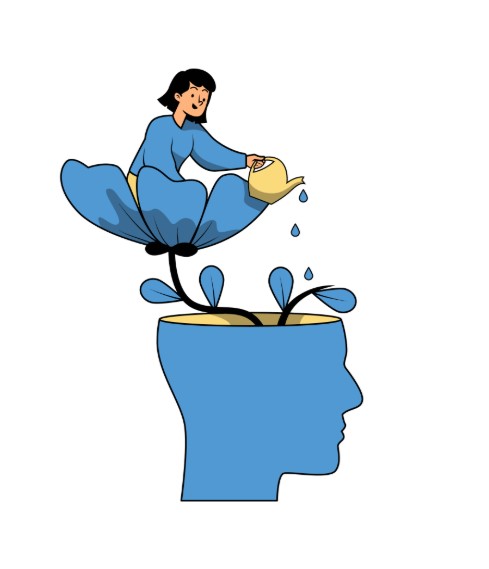
We spend so much time looking after our bodies — eating right, staying active, getting enough sleep. But somewhere along the way, we forget that the mind needs just as much attention. Mental wellness is not about being happy all the time. It is about having the tools to cope, the space to breathe, and the awareness to know when something isn't right.
In today's world, stress has become normal. Anxiety knocks at the door of even the most "put-together" people. Burnout is not just a buzzword — it is something millions are quietly living through. The good news is that building better mental health does not require a dramatic overhaul. It starts with small, honest, everyday choices.
Self-care is not a luxury. It is a vital practice that helps us stay emotionally stable, face challenges, and actually enjoy life.
Why Mental Wellness Matters More Than Ever
Stress, anxiety, and depression are among the most common experiences people face today — yet they are still among the least talked about. The pressure to perform at work, show up perfectly in relationships, and keep pace with a world that never slows down takes a real toll. And unlike a broken bone, a struggling mind doesn't come with an obvious sign saying "handle with care."
Mental health struggles don't just affect how we feel. They ripple into how we sleep, how clearly we think, how we connect with others, and even how our bodies function. Recognising the signs early — the creeping irritability, the hollow exhaustion, the sense that nothing is quite enough — is the first and most powerful step toward something better.
The Five Kinds of Self-Care
Self-care is one of those words that gets misused a lot. It's not about bubble baths or treating yourself (though those things are fine). At its core, self-care means intentionally giving yourself what you need — emotionally, physically, mentally — so you can function well and feel whole. It comes in several forms, and a truly balanced approach touches all of them.
Exercise, good food, adequate sleep, and rest. When your body feels looked after, your mind follows.
Letting yourself feel things, seeking support when you need it, and practising mindfulness to process what's going on inside.
Nurturing the relationships that lift you. Community matters, whether it's family, friends, or people who simply get it.
Reading, learning, creating, and quieting the inner critic. Stimulating your mind while also giving it a break.
Finding grounding and purpose — through faith, meditation, time in nature, or simply sitting with your own thoughts.
Five Daily Habits That Actually Help
You don't need a perfect routine. You need a few honest practices done consistently. Here are five small habits that, strung together, can shift how you feel day to day.
-
Start With Intention Give yourself five quiet minutes each morning — no phone, no news. Take a few deep breaths. Set one simple intention for the day. It sounds almost too small to matter. It isn't.
-
Move Your Body, Even a Little A short walk. A stretch. Three minutes of slow breathing. Movement breaks reduce stress hormones and reset your focus. You don't need a gym — you need a willingness to step away for a moment.
-
Nourish, Don't Just Fuel Eat something real. Drink enough water. Spend a little time on something that feeds your soul — a book, a journal page, a few minutes of music you love. Your brain is a physical organ and it runs on what you give it.
-
Protect Your Energy Say no — kindly but clearly — when something would cost more than you have to give. Manage your screen time intentionally. Not every notification deserves your attention right now. Boundaries are not walls; they are doors you choose to open.
-
End With Gratitude Before you sleep, name three things you're grateful for. They don't have to be grand. The good cup of tea. A kind word from a stranger. A task that finally got done. Gratitude doesn't deny the hard things — it just makes sure the good ones get seen too.
A gentle way to begin. If all of this feels like a lot, pick just one habit from the list above. Do it for a week. Notice what shifts. Then, if it feels right, add another. The goal is not a perfect wellness routine. The goal is a slightly more compassionate relationship with yourself — and that builds slowly, one small choice at a time.
Consistency beats intensity, every single time.
Learning to Say No — and Mean It
One of the most underrated acts of self-care is setting boundaries. This means understanding what drains your energy, and making it okay to protect yourself from that. It means communicating your needs clearly, without over-explaining or drowning in guilt. It means saying "I can't commit to that right now" — and not following it with ten sentences of justification.
Boundaries, when held consistently, do something remarkable: they build self-respect. And when you respect yourself, others tend to follow. You teach people how to treat you — not in a single conversation, but through the pattern of what you accept over time.
Setting a boundary is not selfish. It is honest. It is how you show up fully, rather than giving away what you don't actually have.
The Digital World and Your Mental Health
We are more connected than any generation before us — and somehow, more exhausted. Constant notifications, social comparison, breaking news, and the pressure to always be reachable takes a quiet but steady toll on the mind. Excessive screen time has been directly linked to disrupted sleep, higher anxiety, and lower mood.
Managing digital overload doesn't mean deleting everything. It means being more intentional. Set screen-free hours, especially in the evening. Curate what you follow — if an account consistently makes you feel worse about yourself or the world, that's useful information. Create little pockets of real-life presence: a meal without the phone, a walk without earphones, a conversation that gets your full attention. These moments matter more than they seem.
The Body-Mind Connection Is Real
Your physical health and your mental health are not separate departments — they are the same building. Exercise releases endorphins that genuinely improve mood and reduce anxiety. A balanced diet fuels the brain and helps stabilise emotion. Quality sleep allows the mind to recover, consolidate memories, and face the next day with more resilience.
You don't need to overhaul your lifestyle. Start small: a daily walk, a more regular bedtime, one nutritious meal a day. These are not just physical acts. They are acts of care for your whole self — and they compound quietly over time into something meaningful.
You Don't Have to Do This Alone
Human connection is not optional for good mental health — it is essential. When things get heavy, reaching out to someone you trust is not weakness; it is one of the most courageous things you can do. Talk to a friend, a family member, or a mentor. Find a community of people who understand what you're going through. And if you need professional support — from a therapist, a counsellor, or a mental health coach — please seek it. There is no wisdom in struggling alone when real help exists.
Healthy relationships thrive when support runs both ways. Being there for others matters too. Listening well, without rushing to fix things, is one of the most generous things one person can offer another.
Be kind to your mind. Not just when it is performing well — but especially when it is struggling.
A Final Word
Taking care of your mental wellbeing is not a luxury, and it is not something you earn once you have everything else sorted. It is a practice — quiet, ongoing, and deeply personal. What works for someone else may not work for you, and that is entirely fine. You are allowed to explore, adjust, and figure out what your own mind needs.
The small steps matter. Setting one boundary. Taking one walk. Putting the phone down ten minutes earlier. Naming one thing you're grateful for. None of these will transform your life overnight — but all of them, done with a little consistency and a lot of self-compassion, will add up to something you can feel. Be patient with yourself. And remember: asking for help is never a step backwards. It is often where the real turning point begins.
— end —