Japan doesn't ease you in. From the moment the shinkansen pulls out of Tokyo station and the countryside blurs past at 300km/h, you understand that this is a country that takes everything — food, craft, travel, aesthetics, train punctuality — completely seriously. We arrived in October, which is when the country turns. The maples go red. The cedars hold their green. The light does something unusual to all of it.
This was not the standard tourist route. Most people do Tokyo — Kyoto — Osaka — maybe Hiroshima. We had two weeks and wanted to go north first, then cut through the mountains on the way back. The gamble paid off. Northern Honshu in autumn is one of the quieter, more beautiful things we've seen.
In This Post
Going North — Aomori & Sendai
We flew into Narita, spent a night near the airport to recover from the jet lag (this is not optional — the flight from Bengaluru is real), and took the shinkansen north the next morning. Aomori is Japan's northernmost major city on Honshu, and it receives a fraction of the tourists that the southern cities do. This is precisely why it was worth going.
The Oirase Gorge, about an hour outside Aomori, is a 14km mountain stream with waterfalls tumbling in every few hundred metres. In mid-October the maples are turning, and walking the gorge path felt like something out of a film that hadn't been made yet — too beautiful to be real and too ordinary to be dramatic about. We walked in near-silence for most of it, which is the correct approach.
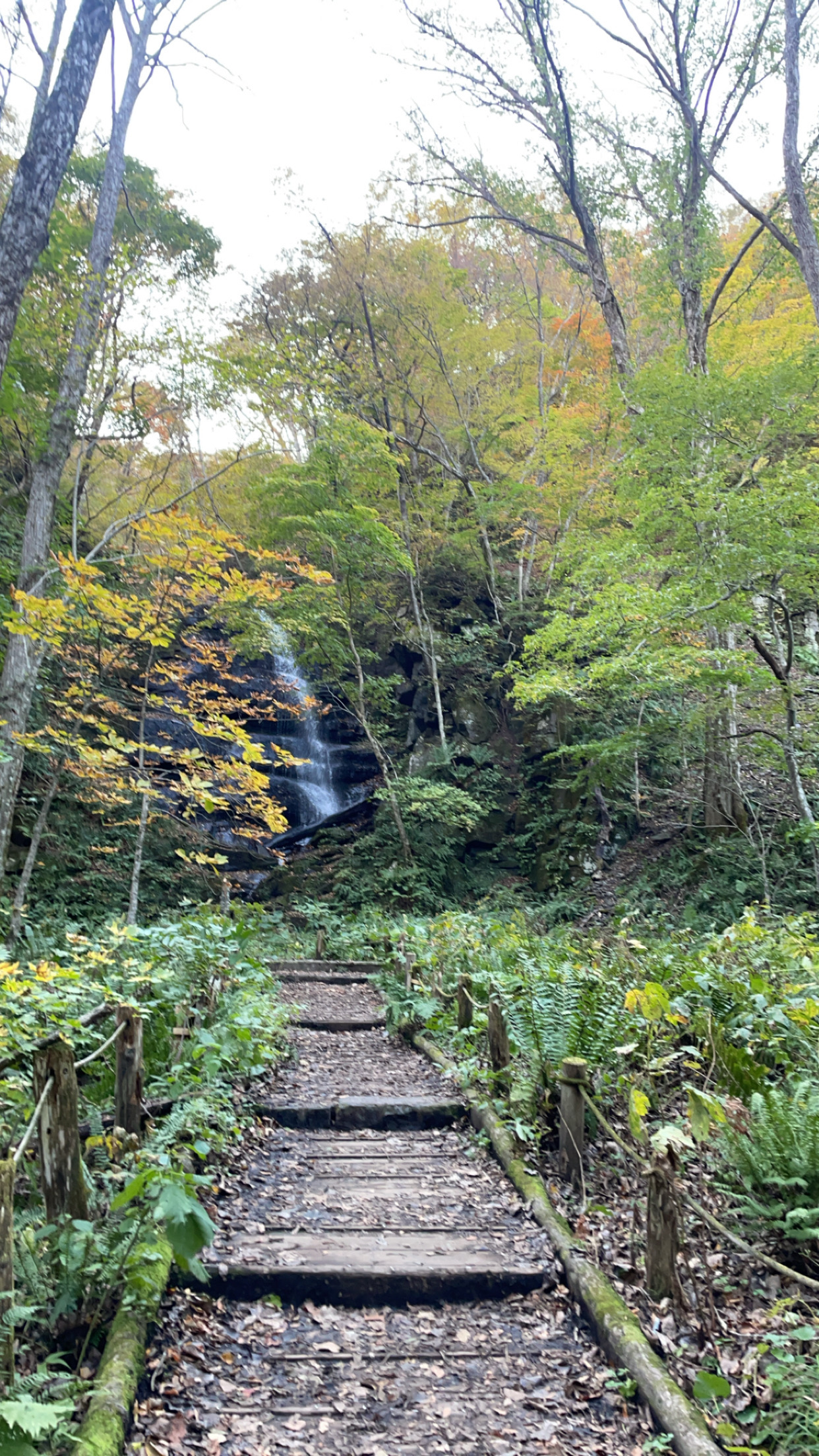
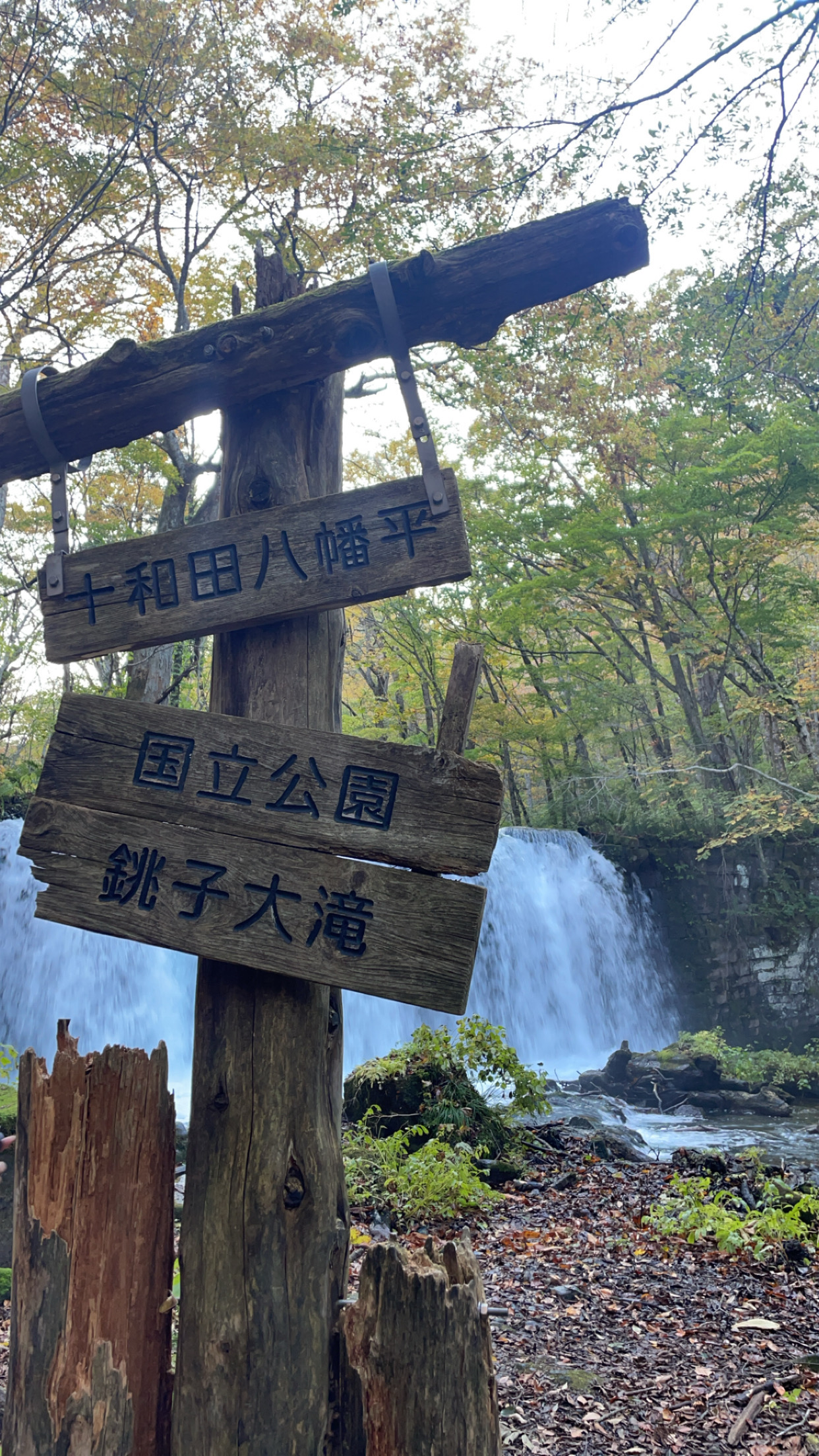
Oirase Gorge— the mountain stream, waterfalls and autumn colours
From Aomori we came south to Sendai — the City of Trees — via Yamadera. Yamadera is a temple complex built into and on top of a clifftop, reached by climbing 1,000 stone steps cut into the mountain. The view from the top over the forested valley below is one of those things that makes the effort instantly worth it. We were breathing hard at the top and not caring at all.
Sendai itself surprised us. We'd expected a modern city without much character — it's a big regional centre — but the zelkova-lined boulevards (which give it the Trees nickname) are genuinely lovely, and the Osaki Hachimangu shrine, set back from the main roads in a wooded hillside, was one of the most peaceful hours of the trip.
Nikko — Shrines in the Forest
Nikko is everything the guidebooks say, and the guidebooks are right to say it. The Toshogu Shrine complex in the mountains outside Nikko is the most elaborately decorated thing we've seen in Japan — gold leaf, lacquerwork, carved wooden animals everywhere, the famous sleeping cat, the three wise monkeys. It's overwhelming in the best way: a country that takes aesthetics seriously, applied to a place of worship, with no expense spared.
But the surroundings matter as much as the shrine. The approach through cedar-forested avenues, the Shinkyo Bridge in red lacquer over a gorge, the 97-metre drop of Kegon Waterfall into a misty canyon — all of this is part of the same experience. We spent a full day in Nikko and could have stayed longer.
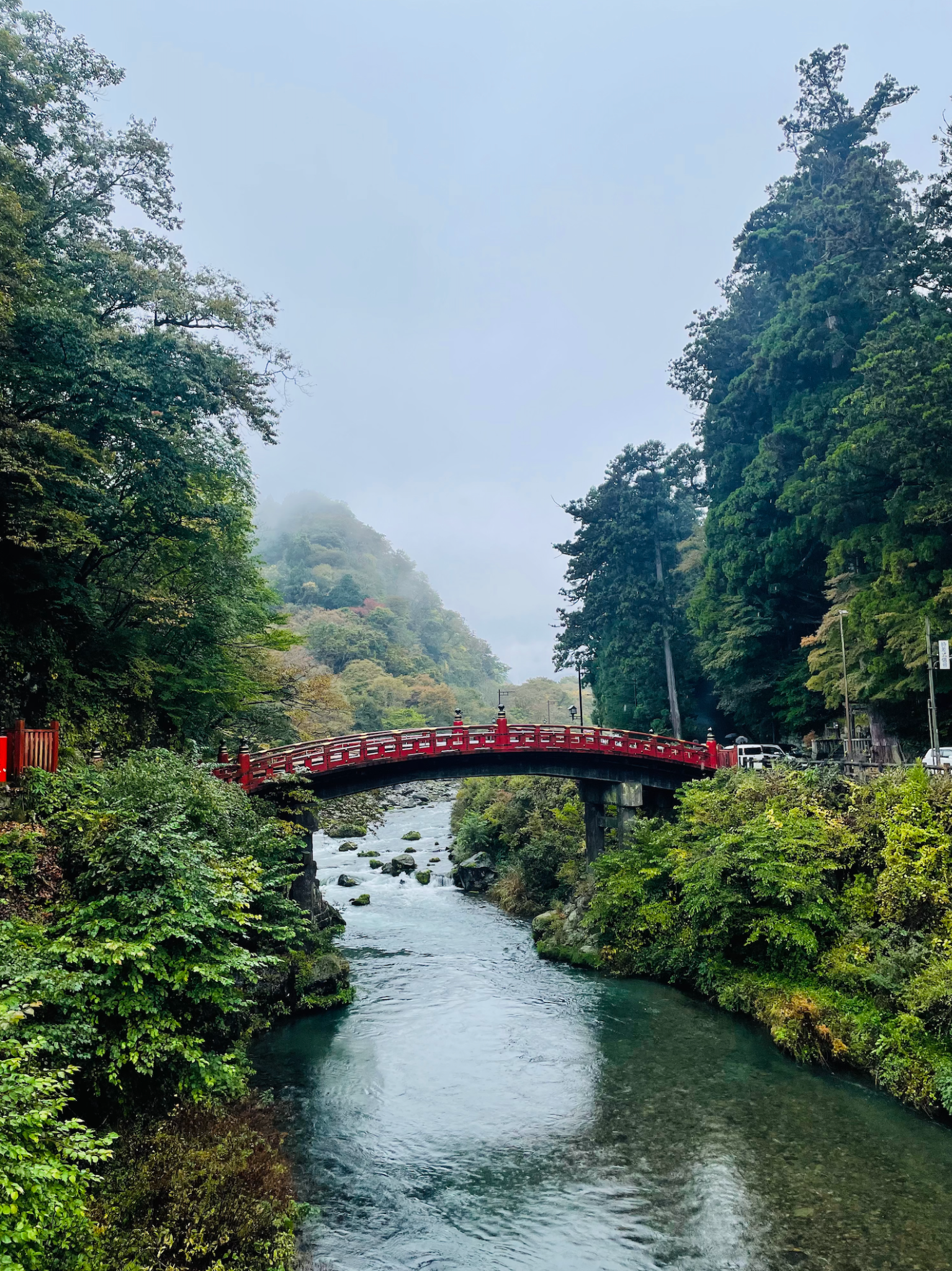
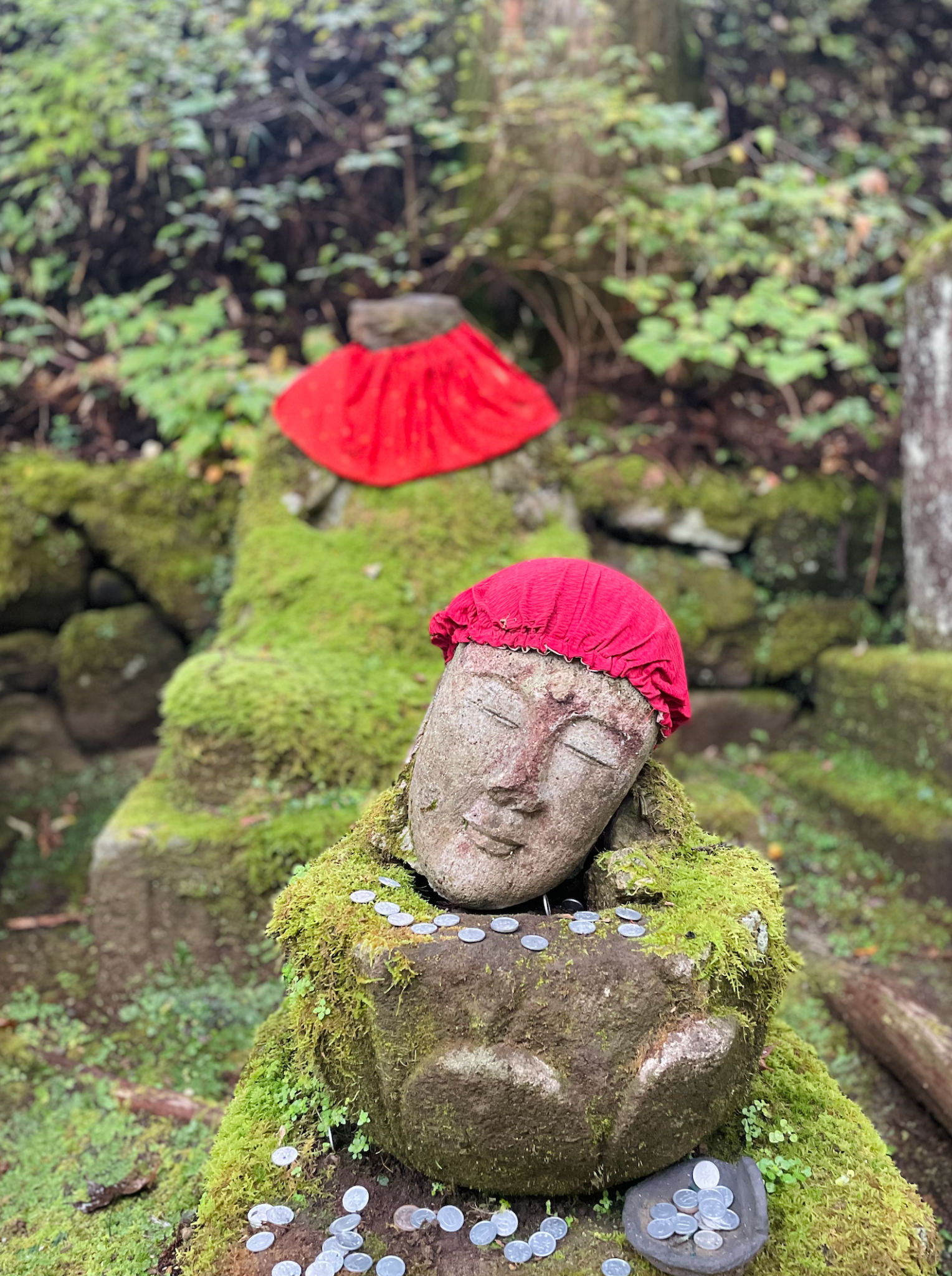
Shinkyo Bridge and the Jizo statues of Kanmangafuchi Abyss
The Kanmangafuchi Abyss — a less-visited spot along a gorge in town — is the kind of place that doesn't appear in the main tourist literature but stays with you. A long row of stone Jizo statues lines a path along a rushing river, each wearing a small red or white bib. The mist comes off the water. The moss on the stones is very green. It's an odd and lovely thing.
"The three wise monkeys are at Toshogu, carved into a stable wall in 1636. The actual monkeys — the carved ones — are much smaller than you'd expect. The queue to see them is much longer than you'd want."
The Japanese Alps — Matsumoto & Kamikochi
Matsumoto is the gateway to the Northern Alps and the home of one of Japan's few surviving original castles. Matsumoto Castle — the Crow Castle — is called that for its black exterior, which stands in stark contrast to the white-walled castles more common in the south. It rises above the surrounding city in a way that feels both ancient and immediate. We arrived on a clear morning and the mountains were visible behind it.
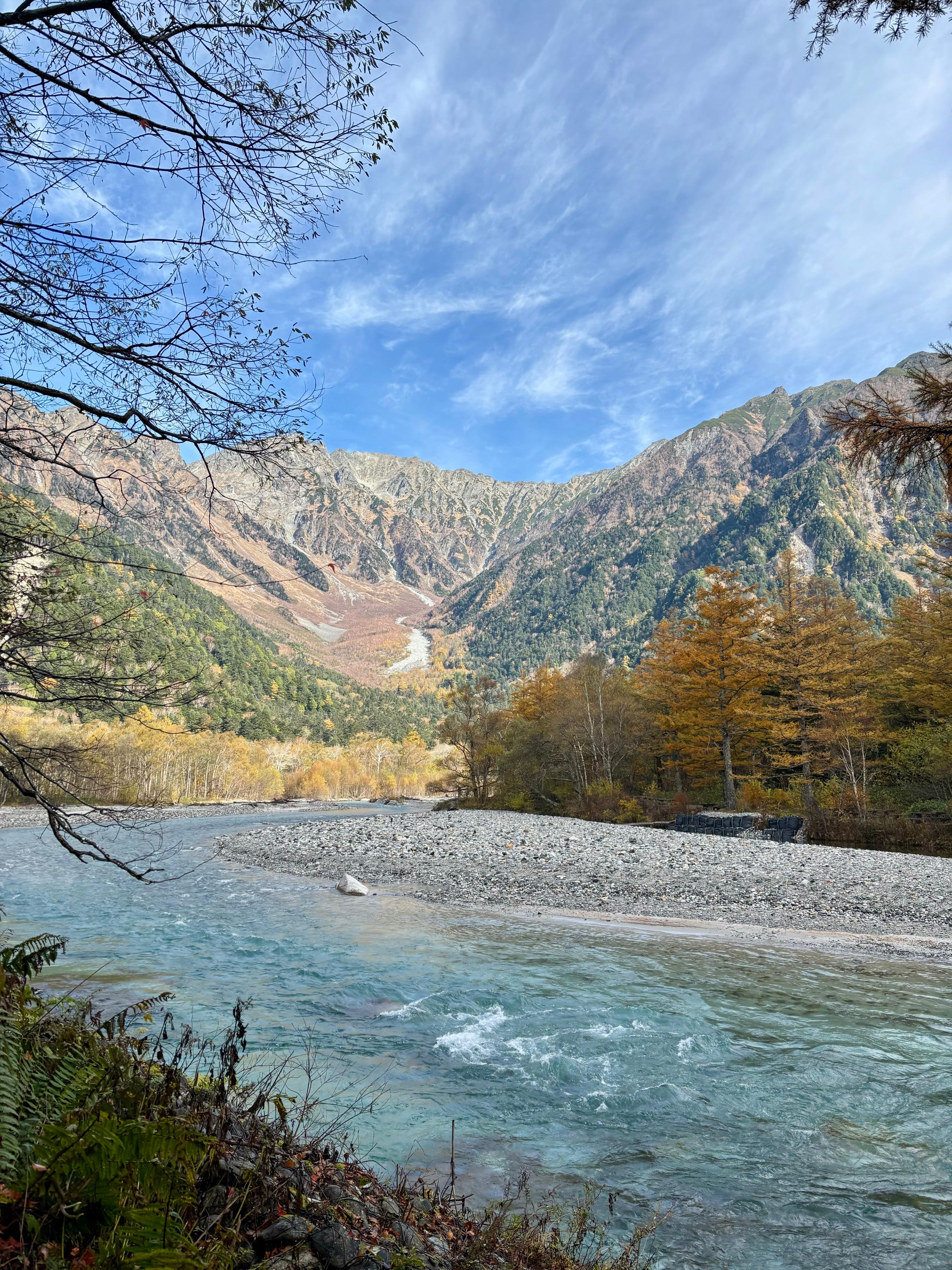
From Matsumoto, Kamikochi is reached by bus through increasingly dramatic mountain scenery. Private cars are not allowed — only buses and taxis — which means Kamikochi has stayed genuinely quiet despite being well-known. It is a highland valley in the Northern Alps at 1,500 metres, with the Azusa River running clear and cold through it, and the jagged profile of the Hotaka range on the horizon.

Kamikochi in autumn, with the Hotaka Range beyond.
The walk from Taisho Pond through Tashiro Marsh, across Kappa Bashi Bridge, and up to Myojin Pond takes most of a day if done properly — slowly, with stops to sit by the river and watch the water. We stayed overnight in the valley itself, which meant we had it largely to ourselves in the early morning and evening when the day visitors had gone. Those hours were the best of the trip.
Kamikochi Timing
Kamikochi is only open from mid-April to mid-November. In October the autumn colour is at or near peak, and the valley is stunning. Book accommodation inside the valley well in advance — there are only a handful of places to stay and they fill months ahead during autumn. The season closes November 15th regardless of conditions.
Takayama & Kanazawa
Takayama is Japan's most beautifully preserved old town, and it takes the preservation seriously without turning it into a museum. People live there. The sake breweries in the Sanmachi Suji district still make sake. The merchant houses are still used. When you walk the stone-paved lanes in the early morning before the tourist groups arrive, it doesn't feel like a reconstruction of Edo Japan. It feels like Japan that never stopped being itself.
The Miyagawa Morning Market runs every day along the river. We arrived early and spent an hour moving from stall to stall: pickled vegetables, fresh produce, lacquerware, and most importantly — the edible espresso served in a tiny carved wooden cup that a woman in the market was selling. We went back for seconds, which required a small amount of negotiation conducted entirely through smiling and pointing.
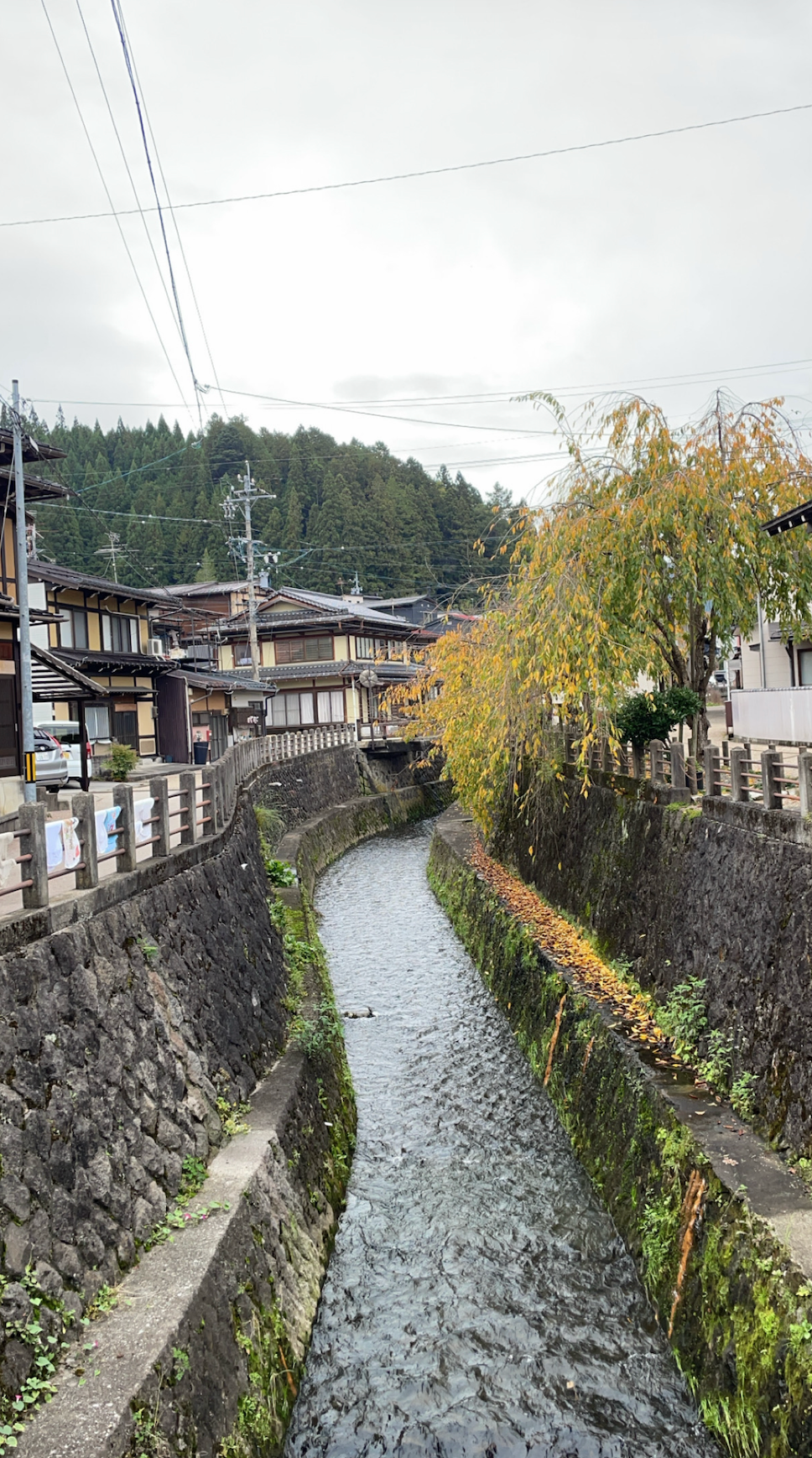
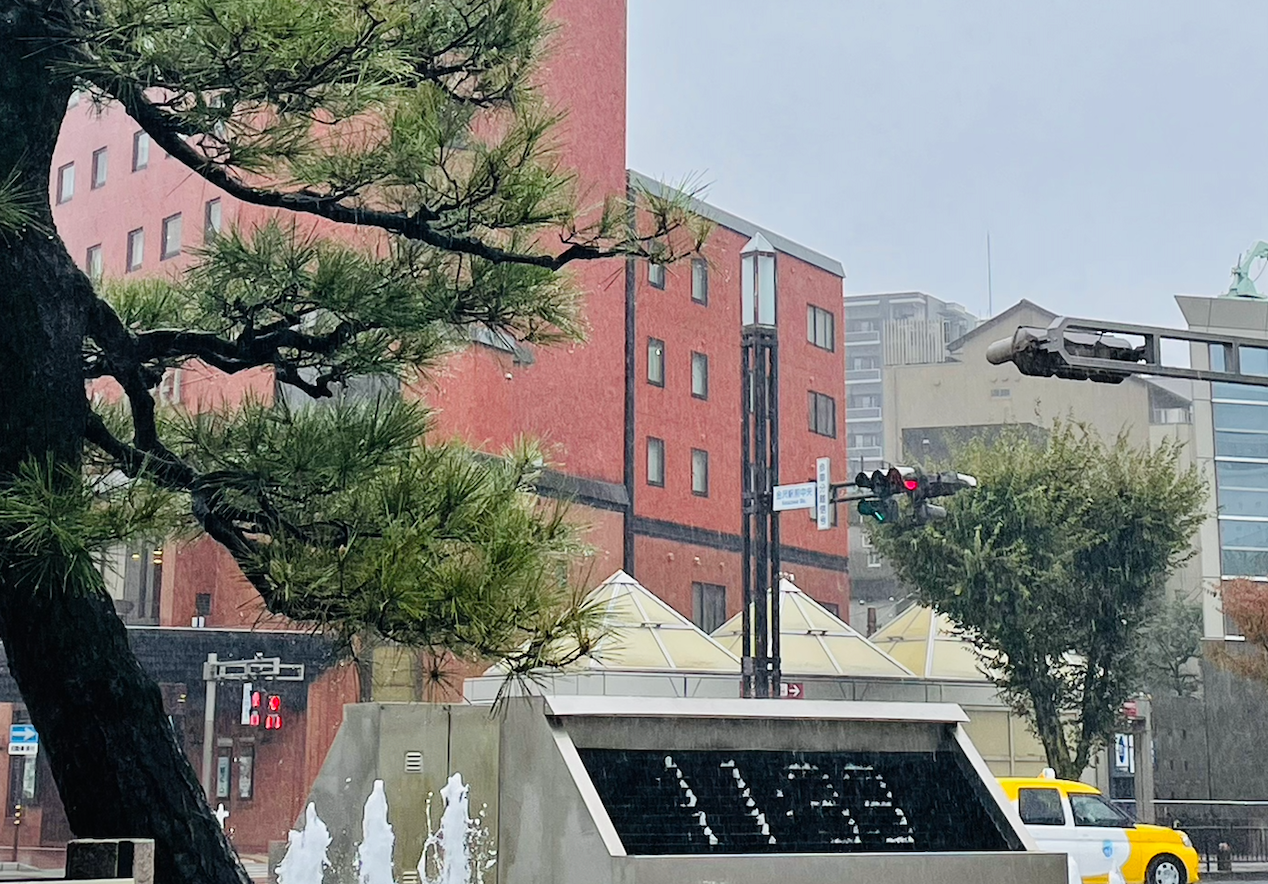
Takayama and Kanazawa — autumn streets, old waterways and quiet corners.
Kanazawa, reached by bus from Takayama over the mountains, is called the little Kyoto that escaped — it was never bombed during the Second World War, which left its historic districts remarkably intact. The water fountain clock at Kanazawa station is a beautiful piece of engineering that we watched for longer than the designers probably expected. Kenrokuen Garden — considered one of Japan's three finest — was at autumn peak: the ancient pine trees with their supporting poles, the ponds reflecting red and orange, the teahouses. It's a garden that feels designed for people to slow down in, which is the best thing a garden can do.
The Higashi Chaya district of preserved geisha teahouses is the other essential Kanazawa stop. In the evening light, the wooden facade streets are beautiful and very quiet. We had a gold-leaf ice cream cone from a vendor near JR Station — not as gimmicky as it sounds — and walked back through the old district as the lanterns came on.
Kyoto at Autumn Peak
The shinkansen from Kanazawa to Kyoto takes less than an hour. We arrived on a Tuesday in mid-October to find that Kyoto's autumn was at absolute peak — the maples had turned, the gingkos were yellow, and approximately half of Japan had apparently decided to be there at the same time. Kyoto in peak autumn is crowded in a way that requires either very early mornings or very deliberate planning.
Fushimi Inari at 6am is a different place to Fushimi Inari at 10am. The 10,000 vermilion torii gates that wind up the mountain — famous from every Japan photography list ever compiled — are genuinely spectacular, and the crowds at 6am are minimal. We made it to the quieter upper shrines by 7:30 and had long stretches of the path entirely to ourselves.
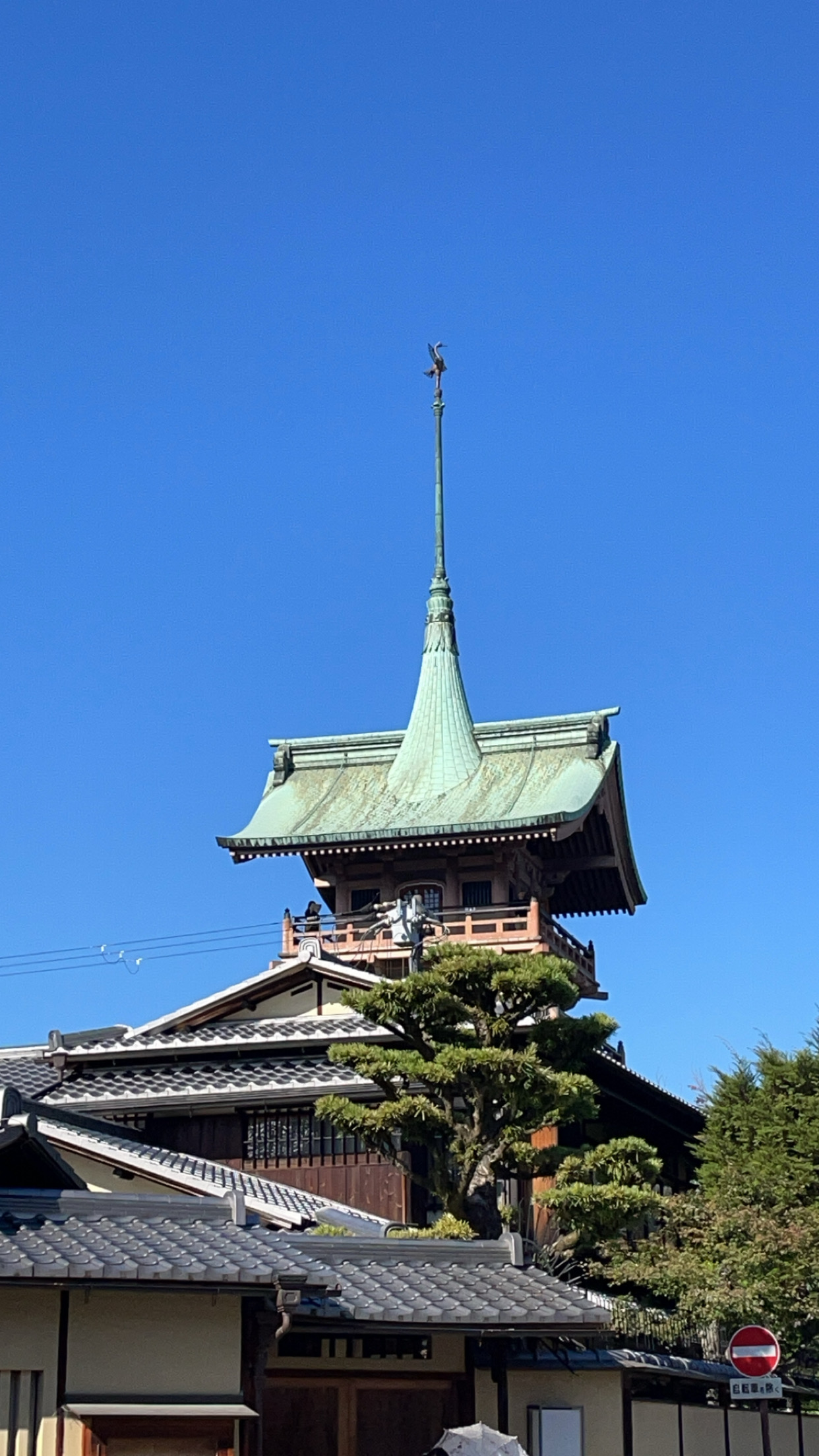
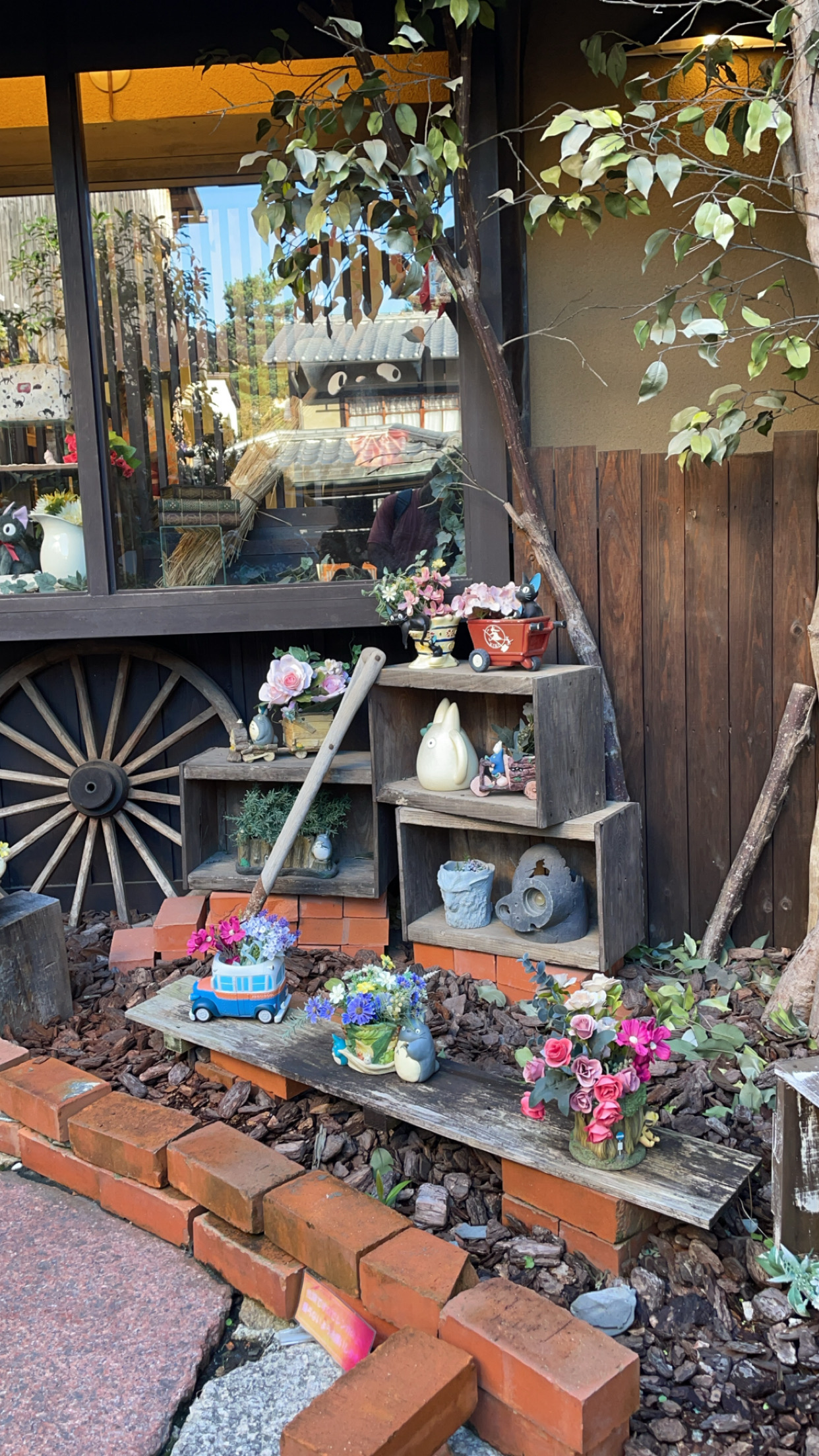
A quieter side of Kyoto
The Philosopher's Path — a canal-side stone walkway lined with cherry trees (bare in October, but still lovely) — connects the Ginkakuji silver pavilion to the Nanzenji complex. We walked it in both directions at different times of day and it was better each time. Arashiyama in the afternoon: the bamboo grove (crowded but worth it), the boat rental ponds, the small temples tucked into the forest edges.
Gion in the evening is Kyoto's geisha district: preserved wooden machiya townhouses, lanterns, and the occasional glimpse of a maiko hurrying somewhere. We didn't eat at any of the tourist-facing restaurants on the main streets. We found a small ramen shop recommended by someone at our guesthouse, sat at the counter, and ate one of the best bowls of ramen we've had anywhere. Japan rewards this approach: going slightly off the obvious path almost always yields something better.
The Thing About Japan
Japan is the country that most rewards slowing down. The temptation is to do everything — temples, cities, mountains, food, onsen — and the trap is moving so fast that nothing has time to settle. Some of our best hours were spent doing almost nothing: sitting by the Azusa River in Kamikochi, or watching a morning market open in Takayama, or just walking a neighbourhood with no particular plan. Give yourself permission to have that kind of day.